All aboard for a new waste recycling revenue stream – railroad ties
Railroad ties are particularly difficult to dispose of because the wood used for them is soaked in creosote, a carbon-based petroleum, for preservation purposes. Railroad companies frequently replace railway ties, and the removed ties are often resold as landscaping timber, but another less common reuse of railroad ties are as a valuable waste-to-energy (WTE) fuel.
But proper processing must first happen to convert old railway ties into fuel, and Ecoverse® can show you the way with our complete lineup of grinders, shredders, and screeners.
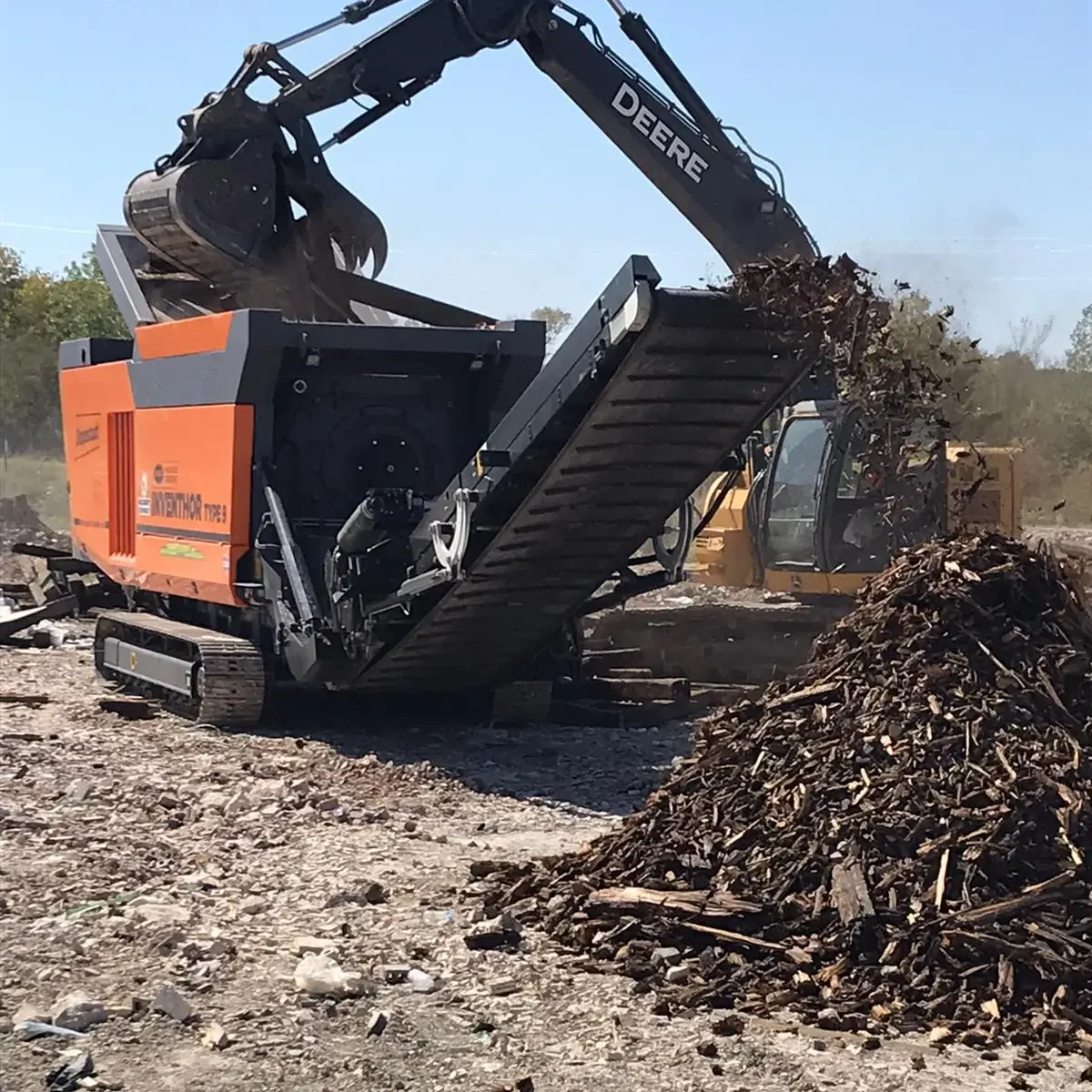
Railroad Ties Processing Equipment
Our high-torque shredders are perfectly suited for the reduction and processing of contaminant-laden railway ties. A random plate or spike left on the tie could do immense damage to many units but the breakaway combs on our shredders allow contaminants to easily pass. After primary reduction, used cross ties can be passed through a high-speed grinder then a trommel or star screen to meet the desired WTE material specifications.
Ecoverse helps you do more, better thanks to our partners:

• High-speed Grinders
• High-torque Shredders
• Twin-Shaft Shredders
• Trommel Screens

• Star Screens

• Conveyors
• Stackers

• Density Separators
The railroad tie recycling train hasn’t left the station yet but get on board before you’re left behind
Case Studies
Built on a Mission: How MyGreen Michigan is Turning Packaged Food Waste into Finished Compost
Company Overview Founded in 2014, MyGreen Michigan is a food waste diversion company serving the southern half of Lower Michigan. The company collects organic material from restaurants, commercial kitchens, hospitality…
From One Trommel to Three: How Doppstadt Helped Hansen’s Tree Service Scale
Jeff Hansen started trimming trees on Saturdays in 1988 so his wife could stay home with their children. Word spread. The side work became regular. Eventually, with his employer’s blessing,…
Case Study Update: Catalyst BioAmendments
When we first featured Catalyst BioAmendments in 2021, the Nevada City, CA company was already known for producing exceptionally high-quality, microbe-focused compost and for challenging assumptions about what compost at…