Built on a Mission: How MyGreen Michigan is Turning Packaged Food Waste into Finished Compost
Company Overview
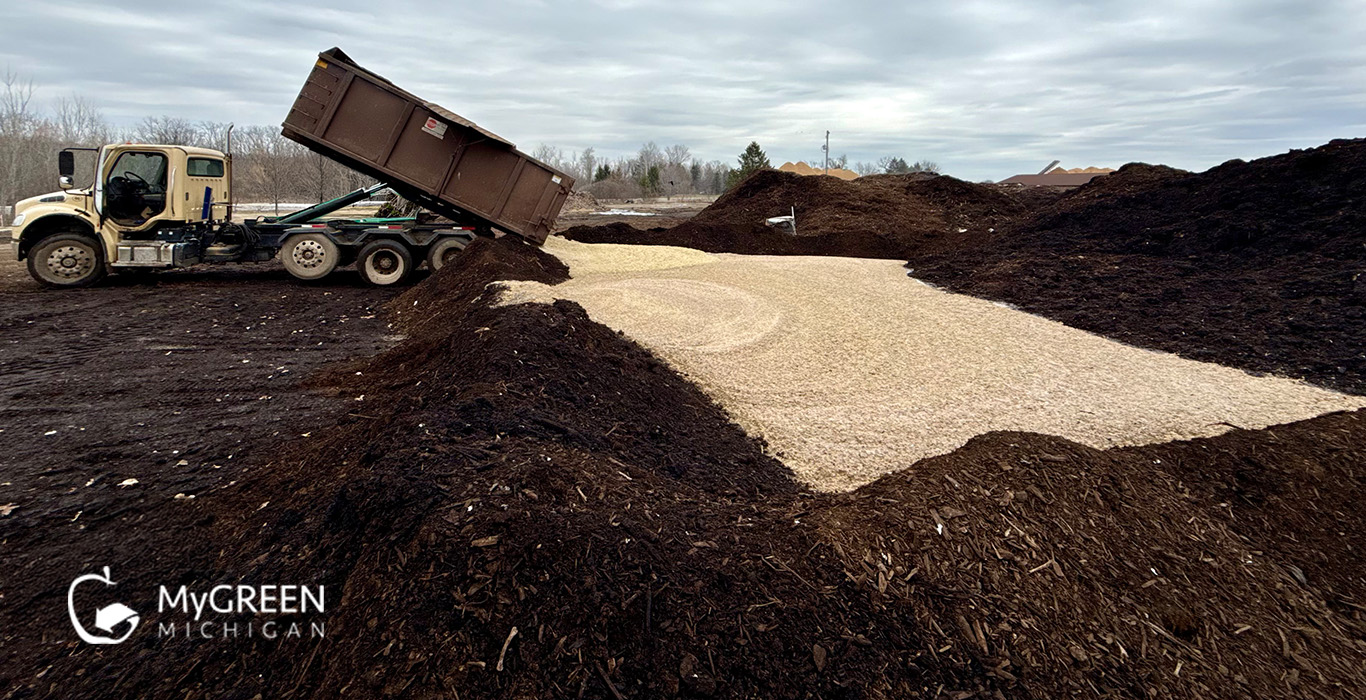
Founded in 2014, MyGreen Michigan is a food waste diversion company serving the southern half of Lower Michigan. The company collects organic material from restaurants, commercial kitchens, hospitality facilities, and food processing plants and diverts it from landfill to composting. All material collected is processed into finished compost through the company’s network of composting partners and its own on-site facility in Lansing, MI.
Meet Lee Hammond Jr.
Lee Hammond Jr. is a founding partner of MyGreen Michigan and oversees the company’s day-to-day operations in Mid and West Michigan. His roots in the industry run deep. Lee grew up working in his family’s business, Hammond Farms Landscape Supply, where he held various roles over the years and developed a hands-on understanding of organics processing from an early age. Composting yard waste became a central part of Hammond Farms’ operation in the mid-2000s, and Lee went on to earn his certification as a Compost Operations Manager through the US Composting Council. His background in composting, combined with a practical operator’s mindset, makes Lee’s perspective on processing equipment particularly valuable. When he says the machine works, it carries weight.
The Challenge
For the majority of MyGreen Michigan’s history, their collection model was built around clean, unpackaged food scraps from back-of-house and commercial kitchen sources. Packaged food waste presented a different problem entirely.
Without dedicated depackaging equipment, the company was forced to either handle packaged material manually or decline the opportunity altogether. As Lee explained, “We didn’t take packaged or post-consumer food, or we took it in very limited quantities. If we ever got a quote for a depackaging situation, we would figure out what would be involved and whether or not we would do the work manually or pass on the opportunity.” As demand for food waste diversion services grew and packaged waste streams became increasingly available, MyGreen Michigan recognized the need for a scalable solution.

The Solution
After exploring the depackaging equipment market for several years and evaluating competing units, MyGreen Michigan selected the Tiger HS-90 Depackager.
The HS-90 offered the flexibility and throughput capacity MyGreen Michigan needed to handle multiple incoming waste streams effectively and efficiently.
Their unit was commissioned on December 18, 2025, at their Lansing area facility, which is located directly adjacent to their on-site composting operation.

Implementation
The installation took place in the middle of a frigid, snowy Michigan winter, presenting immediate operational challenges.
MyGreen Michigan had initially planned to operate the Tiger indoors, but the unit was commissioned outdoors under cover. To maintain performance in those challenging conditions, the team implemented their own heating system for the machine and the discharge. Daily thaw-out protocols were established to ensure the machine was ready for morning operation.
As Lee noted, “Running frozen material through the machine does not collect as much organic as running loose or thawed material through the machine,” making thaw-out material preparation a critical part of the daily routine.
Results
The ramp-up in processing volume has been significant. Within weeks of commissioning, MyGreen Michigan was averaging 150 tons per week through the Tiger HS-90. By spring 2026, that number had grown to 350 to 400 tons per week, with expectations of further growth this year. Currently, the volumes of inbound food waste to be processed is more of a limiting factor, rather than any limitation on the Tiger’s processing capacity.
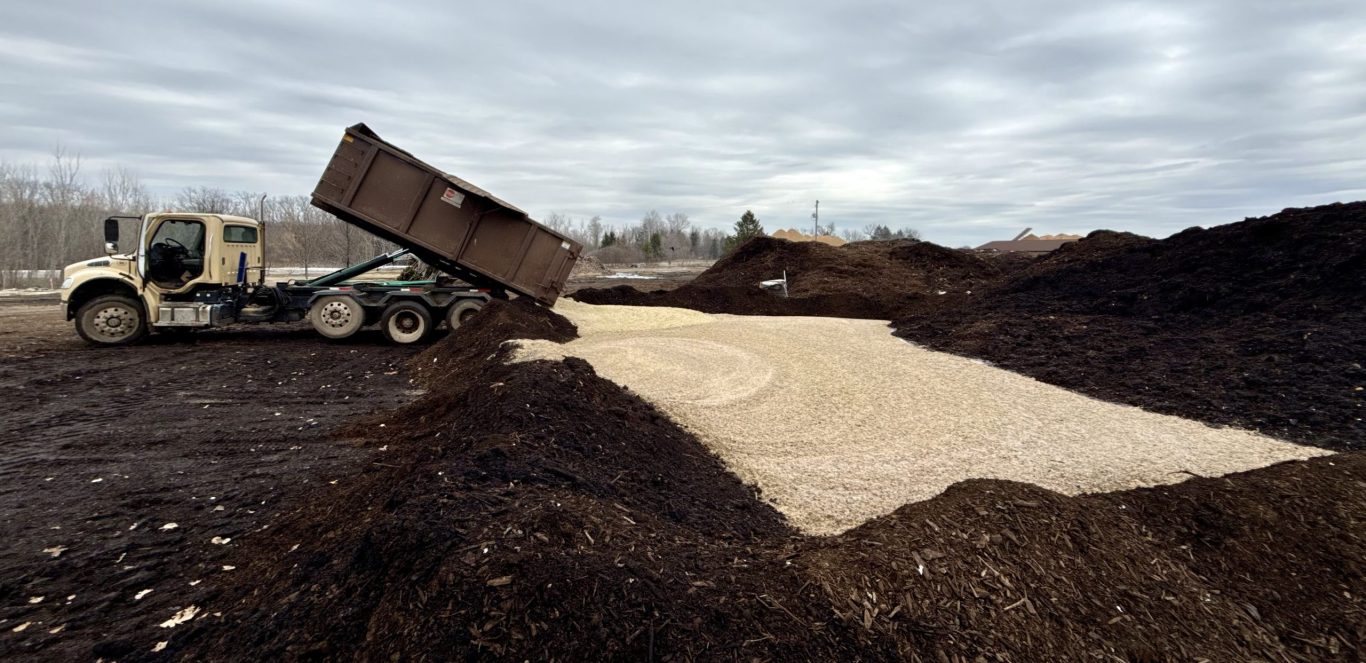
All material processed through the Tiger is converted into compost at the adjacent on-site facility. The increased volume of nutrient-rich organics entering the compost stream has already improved the quality of the finished product. “We look forward to having many more nutrients in our compost,” Lee shared. Some operational adjustments were required on the composting side to manage the higher incoming volume, though the team expects this to be resolved as the process is dialed in.
Advice for New Operators
Based on their experience, MyGreen Michigan identified three critical considerations for any organization looking to enter the food waste depackaging space.
First, understand how incoming material will arrive at the facility. The consistency and condition of inbound products has a direct impact on processing efficiency and organic recovery rates.
Second, account for facility temperatures. Operating environment plays a significant role in both machine performance and the quality of material being processed, particularly in cold weather climates.
Third, establish a clear end-use outlet for recovered organics before the machine is ever turned on. Having a composting partner or on-site facility ready to receive material is essential to a successful operation from day one.
Working with Ecoverse
MyGreen Michigan credits Ecoverse with providing responsive support throughout their experience with the Tiger HS-90. When a service issue arose, the problem was diagnosed quickly via phone support and the machine remained operational throughout the process, avoiding any interruption to production. “Ecoverse has always been very responsive to us,” said Lee, noting that the relationship has been built on clear communication and reliable service.
Conclusion
The addition of the Tiger HS-90 has allowed MyGreen Michigan to unlock a category of food waste that was previously out of reach, scaling their diversion operation significantly in a short period of time. With throughput growing steadily, an on-site composting facility positioned to absorb the increased volume, and a machine that has proven reliable in demanding conditions, MyGreen Michigan is well positioned to continue expanding its impact across Michigan.
In Lee’s own words, “The Tiger is a good machine, it runs thus far really well. it’s proven to be very user-friendly equipment, and we look forward to running it for years to come.”
To learn more about MyGreen Michigan and its food waste diversion services, visit MyGreenMichigan.com.
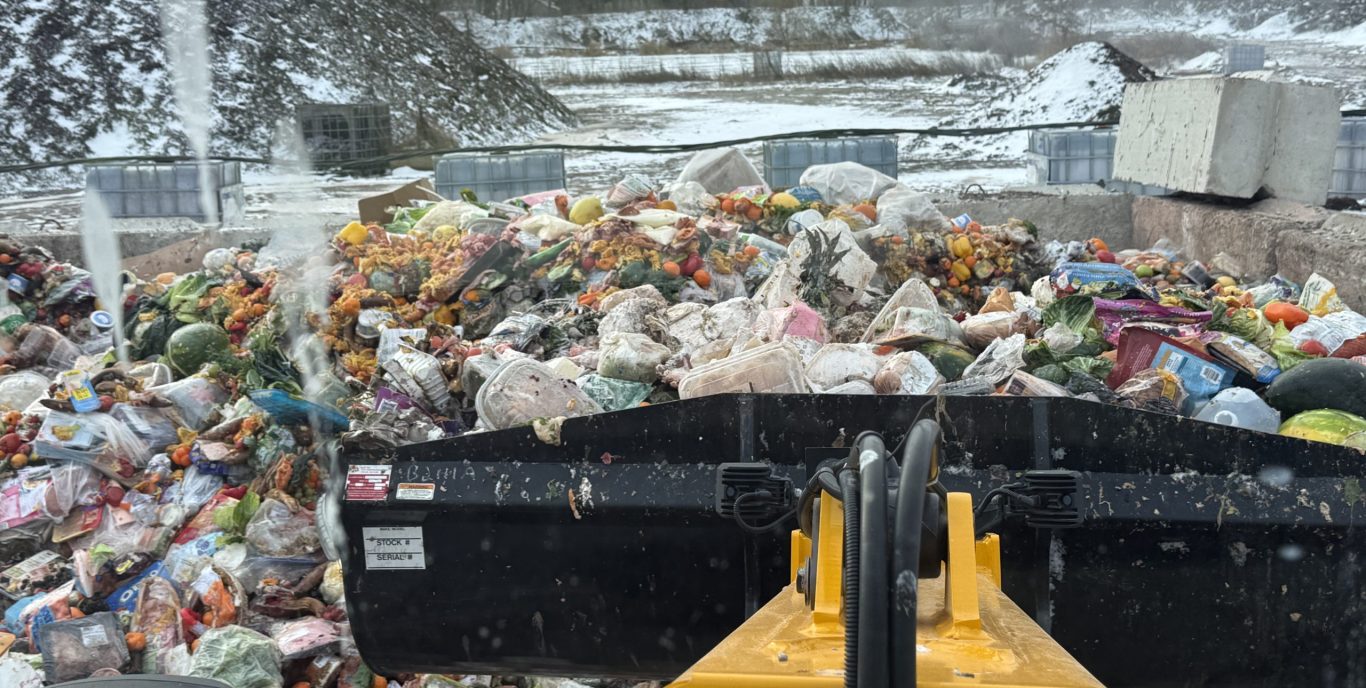
The Tiger HS-90 Depackager efficiently separates packaged food waste from its packaging, recovering high-quality organics that can be diverted from landfill and converted into finished compost — maximizing both environmental impact and operational value.
Contact us to learn how we can help you unlock new waste streams and take your organics processing operation to the next level.