The Role of Density Separation Technology in Organics Recycling
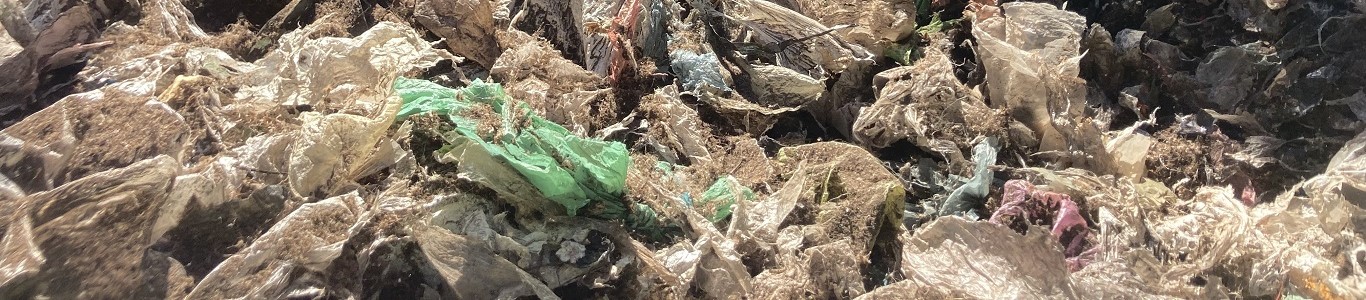
As the demand for sustainable waste processing grows – driven by zero-waste initiatives, landfill diversion mandates, and the expanding circular economy – so does the need for advanced processing techniques. Organics recycling is no longer just about composting; it’s about transforming a wide variety of organic waste streams into clean, usable products.
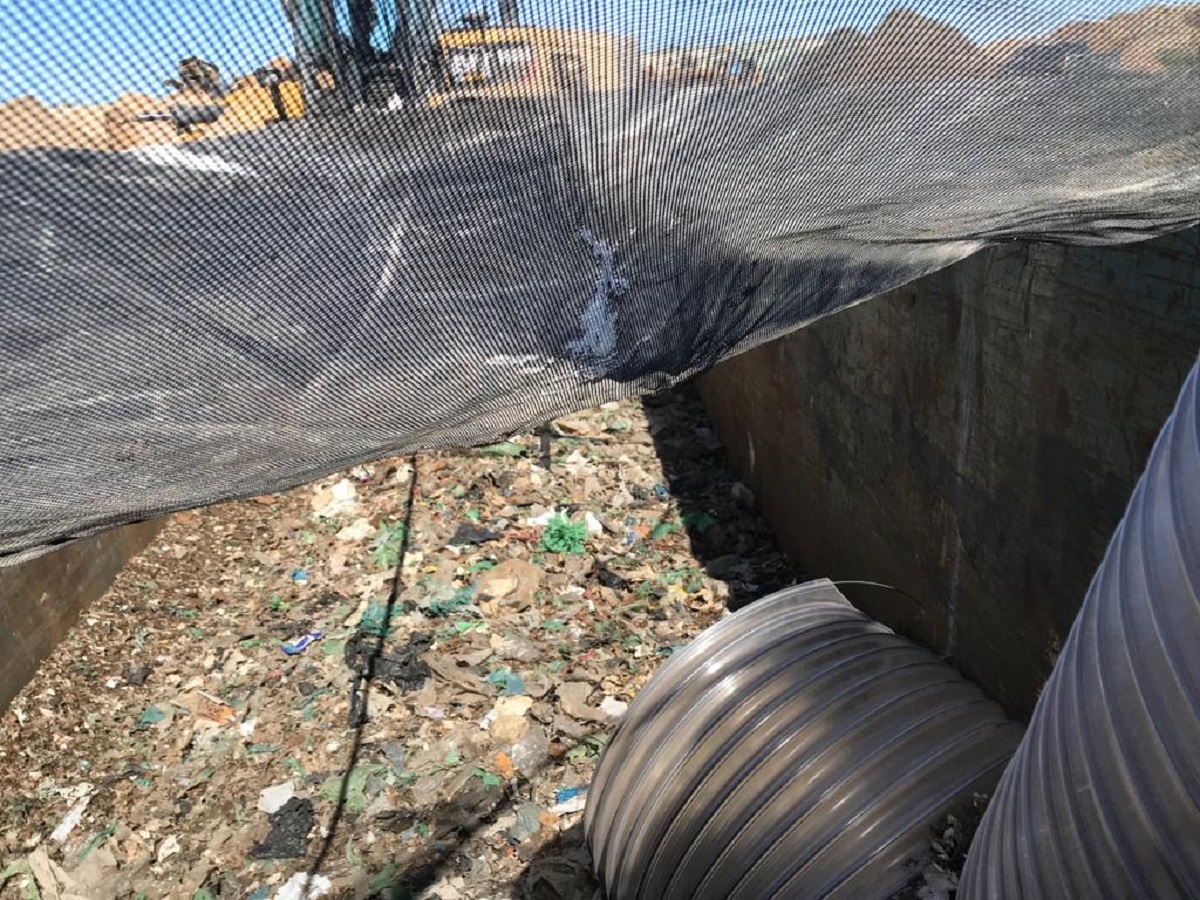
From food scraps and yard trimmings to packaged supermarket waste and biosolids, organics recycling facilities must separate valuable organic matter from contaminants. Even well-processed material can contain unwanted plastics, metals, or glass that degrade its value and limit end-use markets.
That’s where density separation technology comes into play. By using airflow, suction, and magnets to sort materials based on weight, density, and magnetic properties, density separation systems help operators clean up their organic feedstock, improve product quality, and meet increasingly stringent regulatory and customer expectations.
In this blog post, we’ll explore why organics refinement matters, how density separation works, and what advantages it offers for composters, food waste processors, and other recycling operations.
Why Refinement Matters in Organics Recycling
Organics recycling covers a broad range of processes: composting, anaerobic digestion, depackaging, and mulch or soil-blend production. But regardless of the method, contamination is one of the biggest challenges facilities face.
Common contaminants in organic waste streams include:
- Lightweight plastics (bags, wrappers, film, packaging)
- Glass fragments
- Small metal pieces
- Rocks and stones
- Inert debris from municipal or commercial collection

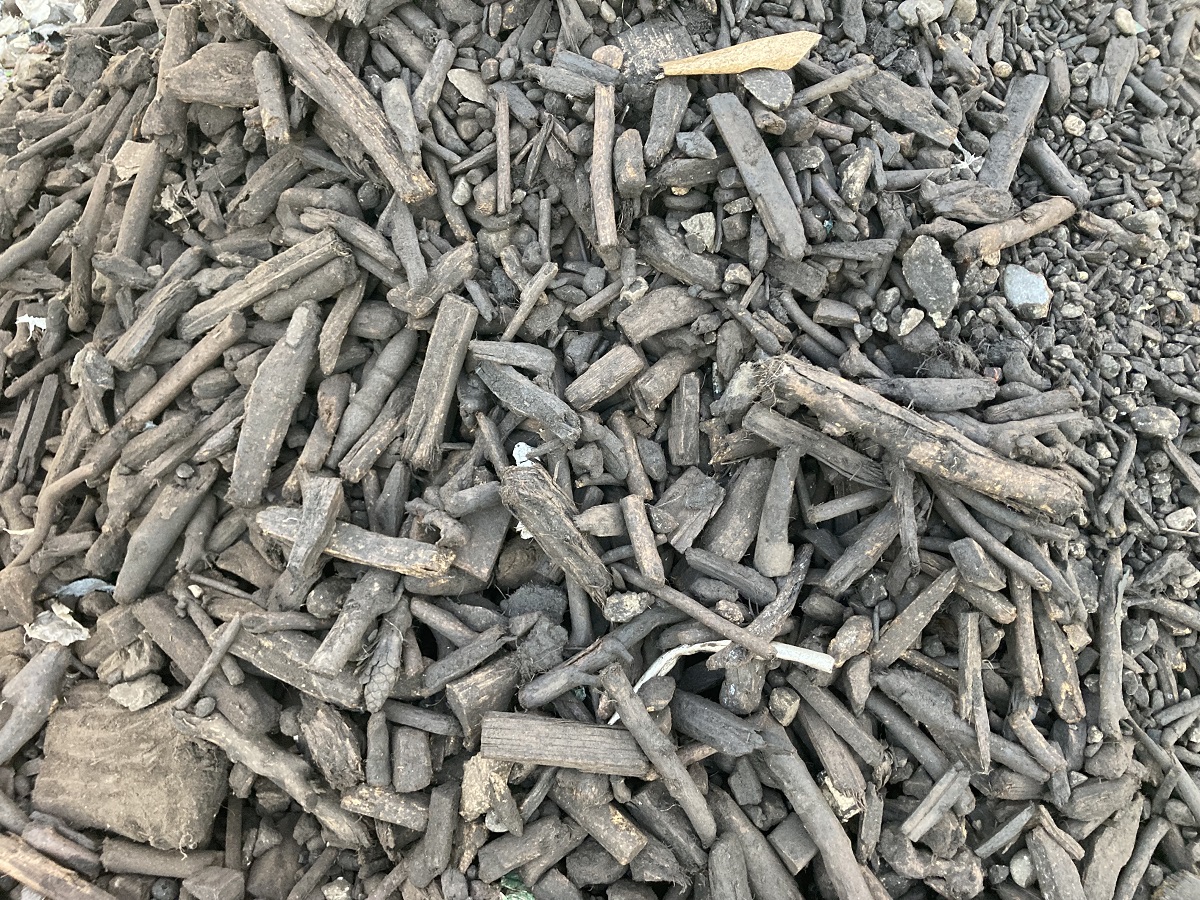
If not removed, these contaminants can:
- Reduce the quality and safety of finished compost or digestate
- Damage processing equipment
- Lower efficiency in anaerobic digestion systems
- Limit marketability of soil amendments, mulch, or renewable energy byproducts
To meet quality standards—like the U.S. Composting Council’s Seal of Testing Assurance (STA) for compost, or feedstock purity requirements for anaerobic digestion—organics need to be refined before they move downstream in the process.
What Is Density Separation Technology?
Density separation uses controlled air flow and magnets to sort materials based on their mass and magnetic properties.
In organics recycling, density separation systems are often paired with screening equipment. While screens separate material by size, density separators target weight, removing lightweight contaminants like plastic film or foil and pulling ferrous metals out with magnets.

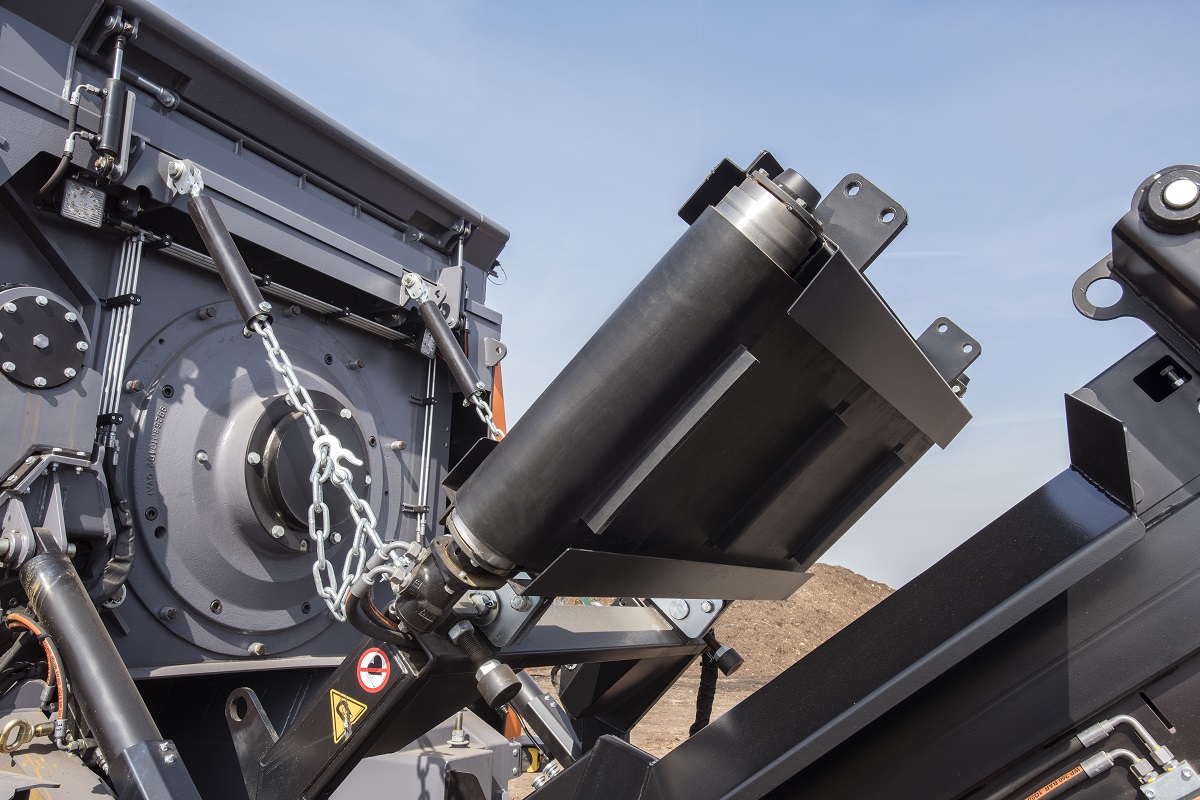
How Density Separation Works:
- Material Feed – Organic material is fed into a dedicated density separator, often after grinding and initial screening, or passes under an attached density separation unit as it exits a machine.
- Air Flow Application – High-velocity air streams or suction fans remove lightweight contaminants that are the same size, but different weights, as organics.
- Magnet Application – Overbelt magnets extract ferrous metals from the waste stream.
- Separation
- Plastics, foils, and paper are blown or vacuumed into separate bins.
- Heavy organics continue on the main conveyor.
- Dense contaminants like stones or glass are diverted.
- Collection and Disposal – Each fraction is routed for recycling, disposal, or further processing.
This process ensures that valuable organic matter can be recovered while contaminants are efficiently removed.
Advantages of Density Separation in Organics Recycling
- Effective Contaminant Removal
Screens alone can’t reliably remove plastics or lightweight debris. Density separation adds precision by extracting contaminants that would otherwise pass into finished compost, digestate, or soil products. - Improved Product Quality and Marketability
Cleaner outputs—whether compost, mulch, or digestate—are more attractive to buyers and comply with strict agricultural, landscaping, or renewable energy standards. - Greater Efficiency than Manual Sorting
Manual contaminant removal is labor-intensive and costly. Density separation automates a key step, boosting throughput while reducing labor demands. - Customizable to Different Waste Streams
Adjustable settings allow facilities to fine-tune density separators for municipal green waste, commercial food scraps, packaged grocery returns, or yard debris. - Seamless Integration with Existing Systems
Density separators can be easily added after grinders, trommels, or star screens without requiring major redesign. Their modularity makes them a practical upgrade for facilities looking to improve quality control.
Challenges and Considerations
- Initial Investment – Quality separation equipment requires upfront capital, but the long-term return often comes through labor savings, reduced landfill fees, and higher-value products.
- Maintenance Needs – Fans, filters, and conveyor systems require routine maintenance.
- Complementary Equipment Required – Density separation works best alongside grinding and screening; it’s one part of a comprehensive organics processing line.
Real-World Applications
- Municipal Organics Programs – Cities collecting curbside green bins often struggle with plastic contamination. Density separation helps meet diversion targets by cleaning feedstock for composting or digestion.
- Commercial Food Waste Processors – Facilities depackaging supermarket or foodservice waste use density separation to strip packaging remnants and recover clean organics for digestion or compost.
- Soil & Mulch Producers – Producers blending compost or biosolids into topsoil and mulch rely on density separation to ensure a clean, market-ready product.
Final Thoughts
As organics recycling expands, the pressure to deliver clean, high-quality outputs grows. It’s no longer enough to simply process organic material; end users expect compost, digestate, or mulch that is safe, consistent, and contaminant-free.
Density separation technology plays a critical role in meeting these expectations. By targeting plastics, metals, and other hard-to-remove contaminants, it ensures that organics recycling facilities can maximize diversion, protect equipment, and produce materials that truly close the loop.
Need help choosing the right density separation system? We offer the plug-and-play portable AERAS windsifter as well as the self-contained Ventus 4 density separator. Don’t know which would be best for your operations? Connect with our equipment experts who can make recommendations tailored to your material stream, throughput goals, and quality standards.
Ecoverse provides the best environmental and aggregate processing machinery to the North American market, including a complete lineup of machinery to help you transform waste into revenue. We’ve been selling the best engineered and made trommel screens for two decades, and we can help you do something amazing: create something from nothing by converting waste products into sellable goods. Plus, do it more efficiently or faster. Simply put, Ecoverse helps you do more things, and do them better so your operation can achieve unprecedented levels of production and profitability.
Want to learn how we can help your organization do more, better? Contact us!