Sizing Feedstock for Biochar: Why Shredding Matters
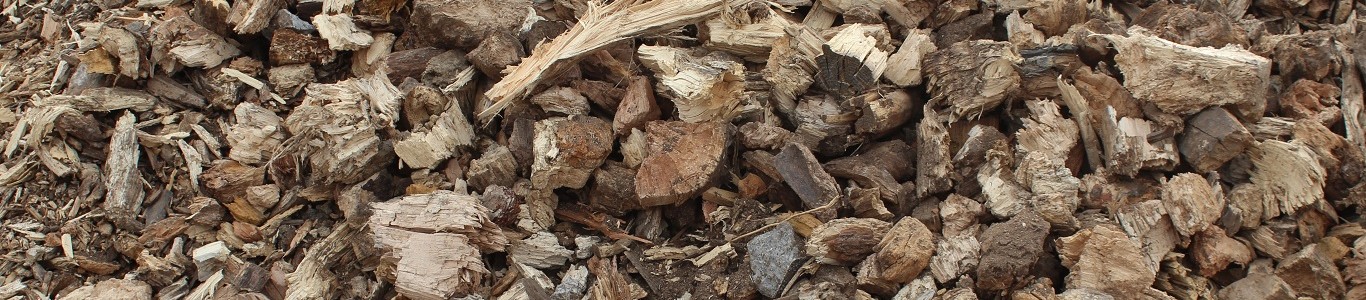
Producing high-quality biochar begins well before the thermal treatment process starts. One of the most critical but often overlooked steps is preparing your feedstock – specifically, sizing it. Whether you’re working with agricultural waste, forestry residues, or wood waste, the efficiency and consistency of your biochar production depends on having appropriately sized material. That’s where a shredder comes in.
Using a shredder to size your feedstock for biochar production ensures consistent particle size, improves carbon capture, and increases throughput. In this blog post, we’ll dive into why feedstock sizing matters, how shredders accomplish this task, and what to look for when selecting a shredder for your biochar production.
Why Feedstock Size Matters in Biochar Production
1. Uniform Temperature. Pyrolysis is a thermal decomposition process that requires specific temperatures for optimal biochar quality. If your feedstock includes vastly different sized materials, the management of the temperature will be difficult to control across your chamber, and larger pieces may remain under-carbonized while smaller particles may be incinerated into ash. Uniform feedstock sizing helps produce a more consistent, stable and high yield biochar.
2. Increased Efficiency. Evenly sized feedstock allows for better airflow and heat transfer inside the combustion chamber, boosting energy efficiency and reducing hotspots. A more predictable particle size helps standardize the process, making it easier to scale operations.
3. Higher Throughput. More uniform feedstock allows the system to process more material in less time, increasing overall production capacity. By avoiding uneven burn rates, a shredder-optimized feedstock improves overall system reliability.
4. Better Quality Control. Inconsistent feedstock can lead to inconsistent biochar. Shredding your raw material to a controlled size range means you’re starting with a known input, one of the keys to producing a predictable, repeatable product.
The Role of Shredders in Feedstock Preparation
Shredders are essential tools for sizing biomass before entering the thermal treatment system. Unlike grinders or chippers, (which are good for small batch facilities), shredders are designed to create a correctly sized product that allows an input rate of 7-11 tons per hour to the combustion chamber.
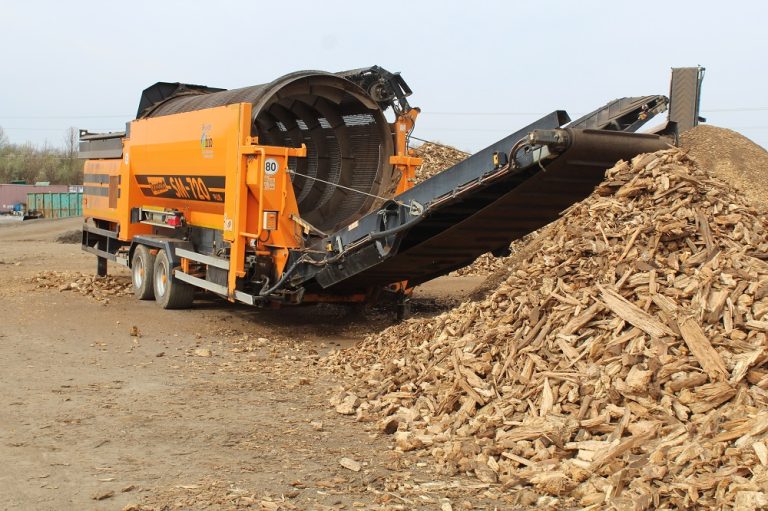
Types of Shredders Commonly Used
- Single-Shaft Shredders: These machines use a single rotating shaft with cutters to shear biomass against a fixed counter-blade. They’re great for high throughput operations and produce a consistent particle size.
- Dual-Shaft Shredders: Featuring two counter-rotating shafts, these are capable of handling bulkier, tougher materials like logs, stumps, and forestry residues. A little slower than single-shaft shredders, dual-shaft units offer a little better size control and come in smaller powered sizes to that would match a biochar production units requirements.
Best Practices for Sizing Feedstock with a Shredder
- Start With Clean Material. Contaminants like large rocks, metal, and dirt are not a viable source for biochar and can limit the throughput of your biochar production unit and require manual removal. If there is a large volume of that material in your shredded material, it may be best to screen prior to thermal treatment.
- Use Consistent Feedstock Types. While it’s great to be flexible, mixing drastically different types of biomass (e.g., soft pallets and hardwood logs) can affect the chemical composition of your biochar. Try to batch similar types of materials together for processing if you have a specific end product in mind
- Regular Maintenance. Shredders are only as good as their teeth. Dull teeth can cause inconsistent sizing, increase energy consumption, and damage your equipment. Set a routine for inspections and shaft maintenance.
Real-World Impact: Better Biochar, Better Business
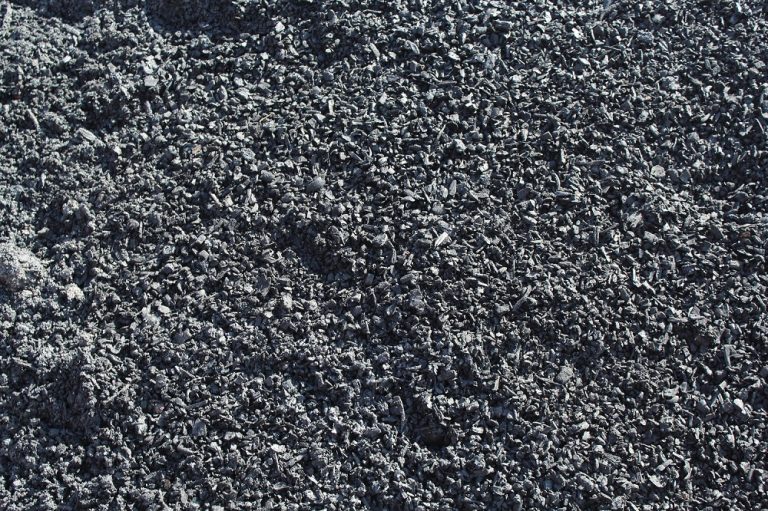
Using a shredder to size feedstock is not just about improving the thermal treatment process – it also boosts your bottom line. Consistent feedstock leads to higher-quality biochar, which commands a better market price. Whether your finished product is being used in the compost creation process, as a soil amendment, or carbon sequestration credits, quality matters.
Plus, by eliminating operational hiccups caused by oversized or inconsistent materials, you can reduce labor costs, avoid downtime, and make your entire process more predictable and scalable.
Conclusion
Shredding is an essential part of biochar production that directly influences product quality, process efficiency, and profitability. By using the right shredder and following best practices, producers can gain greater control over feedstock preparation and set the stage for a smoother, more successful biochar operation.
If you’re serious about scaling your biochar production, or simply want to improve consistency, start by looking at your feedstock. The right shredder could be the missing link between ordinary and exceptional results.
Need help choosing the right shredder for your operation? Reach out for equipment recommendations tailored to your feedstock, budget, and throughput goals and we’ll help you pair the ideal shredder with the EcoChar thermal treatment system.
Ecoverse provides the best environmental processing machinery to the North American market, including a complete lineup of machinery to help you transform waste into revenue. We can help you do something amazing: create something from nothing by converting waste products into sellable goods. Plus, do it more efficiently or faster. Simply put, Ecoverse helps you do more things, and do them better so your operation can achieve unprecedented levels of production and profitability.
Want to learn how we can help your organization do more, better? Contact us!