Why More Municipalities Are Investing in Composting Infrastructure
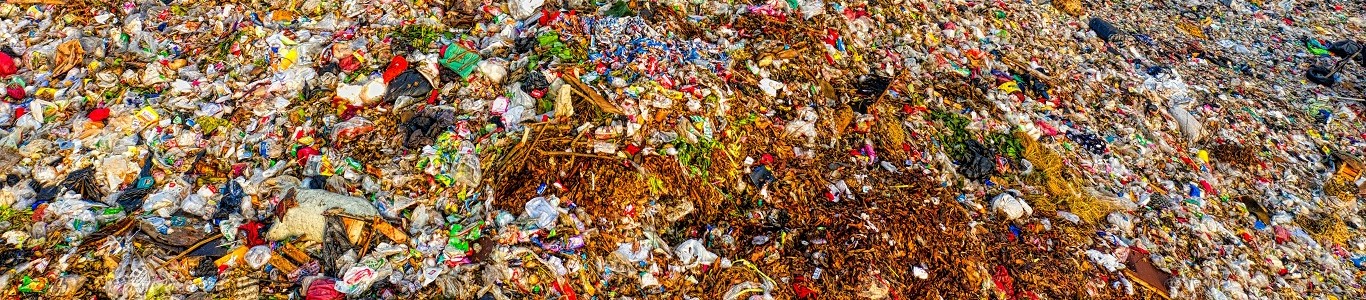
Municipalities across the country are ramping up their efforts in building a composting infrastructure. Once a niche element of waste management, composting is now recognized as a critical tool in reducing landfill use, supporting regenerative agriculture, and meeting climate goals.
But why are more and more cities and counties making the move? What’s driving the surge in investment, and how is it reshaping the way communities think about yard waste and food waste?
This blog post explores the key reasons why municipal governments are building out their composting programs, the benefits they’re seeing, and what it takes to build a composting infrastructure.
The Problem: Organic Waste in Landfills
In the U.S., organic material makes up over 30% of municipal solid waste, including food scraps, and yard trimmings. When these materials are sent to landfills, they decompose anaerobically (without oxygen), producing methane—a greenhouse gas that’s up to 80 times more potent than carbon dioxide.
At the same time, landfills are becoming more expensive and harder to permit. Municipalities are facing growing pressure to divert organic waste and find smarter, more sustainable ways to manage it.

The Solution: Composting
Municipal composting programs offer a powerful alternative. Instead of sending organics to the landfill, composting facilities process the material aerobically (with oxygen), producing nutrient-rich compost and reducing methane emissions.
When applied to soil, compost improves water retention, reduces erosion, and helps sequester carbon—making it a climate win from multiple angles.
Legislative and Regulatory Momentum
Another major driver of municipal investment is policy. Several states and cities have passed legislation that mandates organics recycling or restricts landfill disposal of food waste. Examples include:
- California SB 1383: Requires cities to reduce organic waste disposal by 75% and divert at least 20% of food waste from landfills.
- Vermont’s Universal Recycling Law: Bans food scraps from landfills statewide.
- New York City’s Local Law 85: Expands curbside organics collection across the five boroughs.
Faced with these mandates, municipalities are building or upgrading their composting infrastructure—either on their own or through public-private partnerships—to adapt to changing laws and better serve their residents.
Economic Incentives and Job Creation
Investing in composting infrastructure doesn’t just benefit the environment—it can also pay off economically. Composting creates more jobs per ton of waste than landfilling or incineration. According to the Institute for Local Self-Reliance, composting can create 2 to 4 times more jobs than traditional waste disposal methods.
Moreover, compost is a marketable product. Cities that produce high-quality compost can sell it to farms, landscapers, or residents—creating a revenue stream that helps offset program costs.
Municipalities are also finding that composting programs extend the life of their landfills, reduce tipping fees, and delay costly expansions or new site development.
Local Agriculture and Food Security
Compost supports healthy local agriculture, which is increasingly a municipal priority. As cities face climate disruptions, urban heat, and water shortages, building resilient food systems has never been more important.
High-quality compost improves soil structure, reduces the need for chemical fertilizers, and helps retain moisture—especially vital in drought-prone regions. Municipal programs often work directly with farmers or community gardens to close the loop between waste and food production.
Technology and Equipment Advancements
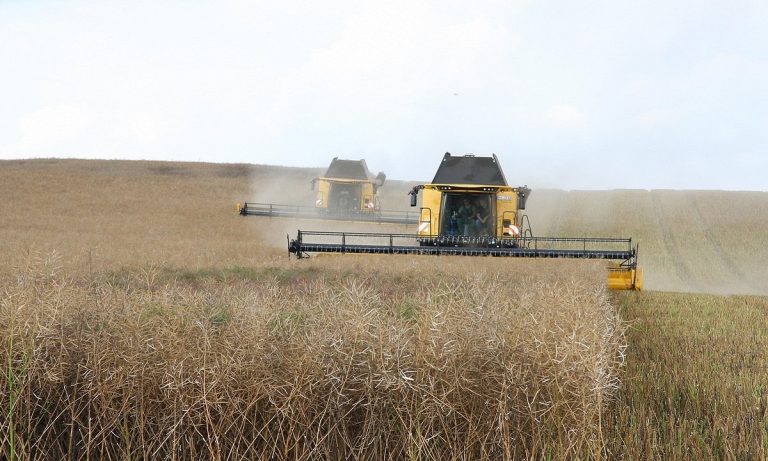
Composting infrastructure is more advanced than it used to be. Technology has improved aerated static pile systems, in-vessel composting, odor control, and screening equipment has made large-scale organics processing more efficient and less disruptive to surrounding neighborhoods.
These technological improvements reduce the barriers to entry and allow cities of all sizes to develop composting programs tailored to their needs and capacity.
Building the Infrastructure: What It Takes
Launching or expanding composting infrastructure requires planning, including:
- Site Selection: Facilities must meet zoning, environmental, and accessibility requirements.
- Equipment Investment: Shredders, grinders, screeners, and compost turners form the backbone of a successful operation.
- Feedstock Management: Cities must plan for the volume and type of material they’ll receive.
- End Market Development: High-quality compost needs buyers. Some municipalities pre-arrange distribution to farms, landscapers, or city departments.
Many cities are also exploring regional composting models, where a centralized facility serves multiple towns—offering economies of scale and shared benefits.
Composting as a Core Municipal Service
As landfill space dwindles and costs climb, composting is no longer a “nice-to-have”—it’s becoming a core municipal service. Forward-thinking cities are recognizing the multiple benefits of composting: cleaner air, healthier soils, less landfill use, job creation, and community engagement.
By investing in composting infrastructure now, municipalities position themselves to meet future regulatory demands, improve environmental outcomes, and deliver long-term value to their residents.
The shift is happening—and composting is at the heart of a greener, more circular urban future.
Interested in helping your city or county build a composting program? Whether you’re a municipal official, private hauler, or community advocate, there are many paths forward. Ecoverse can provide all the equipment you need, including single shaft shredders, twin shaft shredders, grinders, trommel screens, as well as self-propelled compost turners and tow-behind compost turners. Not sure what equipment you need? We can help!
Ecoverse provides the best environmental and aggregate processing machinery to the North American market, including a complete lineup of machinery to help you transform waste into revenue. We’ve been selling the best engineered and made trommel screens for two decades, and we can help you do something amazing: create something from nothing by converting waste products into sellable goods. Plus, do it more efficiently or faster. Simply put, Ecoverse helps you do more things, and do them better so your operation can achieve unprecedented levels of production and profitability.
Want to learn how we can help your organization do more, better? Contact us!