The Maintenance Checklist: Keeping Your Equipment in Top Shape
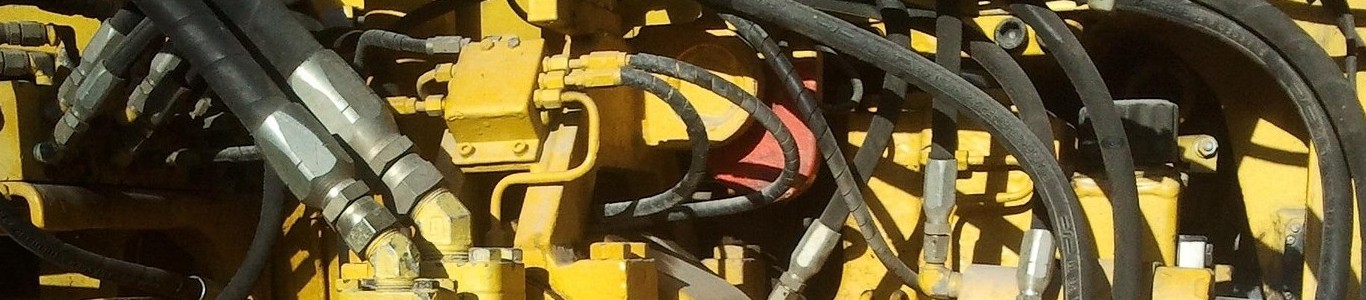
When it comes to recycling operations, efficiency and reliability are everything and at the heart of every successful recycling operation is well-maintained equipment. Whether you’re running shredders, trommels, screeners, or density separators, having a solid maintenance plan is the key to extending equipment life, preventing costly breakdowns, and ensuring consistent output quality.
This maintenance checklist is designed to help owners, operations managers, and technicians keep recycling machinery in peak condition and minimize downtime, improve safety, and protect your investment. Of course, every machine is different and might require special maintenance based on its own schedule, but this general checklist is a good course of action for any machine.
1. Daily Inspections
Daily walk-arounds may seem routine, but they are important. Airline pilots do them, truck drivers do them, and commercial bus drivers do them because they are the first line of defense against unexpected equipment failure.
- Check fluid levels: Hydraulic oil, engine oil, and coolant should be checked at the start of every shift. Low levels could signal a leak or consumption problem.
- Inspect belts and chains: Look for wear, fraying, or improper tension. Loose belts or chains can cause slippage, vibration, and impact efficiency.
- Visual safety inspection: Ensure guards, shields, and safety interlocks are in place. Look for loose bolts, unusual noises, or vibrations.
- Clean the machine: Remove excess debris, dust, and buildup from screens, conveyors, and air intakes. Accumulated material can restrict airflow and cause overheating.
2. Weekly Maintenance
Weekly checks go beyond the basics to catch issues before they escalate.
- Lubricate moving parts: Bearings, shafts, hinges, and other moving components need proper lubrication to reduce friction and prevent wear.
- Inspect wear parts: Screens, hammers, and teeth should be inspected for signs of damage or wear. Replace them before they affect product quality.
- Check alignment: Ensure conveyors, pulleys, and rollers are tracking correctly. Misalignment can lead to uneven wear and costly damage.
- Test emergency systems: Make sure emergency stops, alarms, and safety features are functioning properly.
3. Monthly Service
Monthly tasks focus on more detailed inspections and preventative care.
- Hydraulic system check: Inspect hoses, connections, and fittings for leaks or cracks. Replace damaged hoses immediately to prevent sudden failure.
- Electrical inspection: Look for signs of wear on wiring, check connections for corrosion, and test sensors and switches.
- Check tire or track condition: Ensure tires are properly inflated or tracks are tensioned correctly.
- Calibration: Verify that weighing, measuring, or sensor-based systems are calibrated for accuracy.
4. Seasonal and Quarterly Maintenance
Every few months, take the time for a deeper dive into your recycling equipment.
- Oil and filter changes: Follow manufacturer recommendations for changing engine oil, hydraulic filters, and air filters.
- Grease system flush: Clean and flush automatic lubrication systems to ensure they’re delivering grease effectively.
- Structural inspection: Look for cracks, weld fatigue, or frame damage that could compromise the integrity of the machine.
- Software updates: For equipment with onboard computers, check for updates that may improve performance or add new features.
5. Annual Maintenance
A yearly overhaul ensures your equipment is ready for another season of heavy use.
- Comprehensive inspection: Schedule a full service with an authorized dealer or service team. They can spot issues that might not be obvious during routine checks.
- Replace major wear parts: Trommel screens, grinder hammers, shredder teeth, and conveyor belts often need replacement after a year of heavy operation.
- Hydraulic flush: Replacing old hydraulic fluid reduces contamination and protects seals and pumps.
- Training refreshers: Provide refresher training for operators and maintenance staff to reinforce safe and effective practices.
6. Record-Keeping and Monitoring
A maintenance plan is only as strong as the records that support it.
- Log inspections: Keep detailed records of daily, weekly, and monthly inspections. This helps identify recurring issues.
- Track hours of use: Schedule maintenance based on machine hours, not just calendar dates.
- Analyze performance trends: Use telematics or monitoring tools to track fuel efficiency, vibration, and output. Early warnings can prevent breakdowns.
Benefits of Preventive Maintenance
Some operators view maintenance as a cost, but in reality, it’s an investment. The benefits include:
- Reduced downtime: Preventive maintenance cuts the risk of unexpected failures.
- Extended equipment life: Proper care can add years to your machine’s service life.
- Improved safety: Well-maintained equipment is safer to operate.
- Lower costs: Replacing a worn part before it breaks is always cheaper than fixing a catastrophic failure.
- Consistent product quality: Machines in top shape deliver uniform output, which improves customer satisfaction.
Final Thoughts
Recycling equipment is a major investment in your business and protecting that investment requires diligence. By following a maintenance checklist daily, weekly, monthly, quarterly, and annually, you create a culture of care that keeps operations running smoothly. Partnering with experienced service providers, using OEM parts, and keeping accurate records further ensure your equipment continues to perform at its best.
A little time spent on maintenance today saves a lot of time, money, and stress tomorrow.
For OEM replacement parts, authorized machine service, and to ask any questions you might have about your machine’s maintenance schedule, contact the Ecoverse Product Support Team.
Ecoverse provides the best environmental and aggregate processing machinery to the North American market, including a complete lineup of machinery to help you transform waste into revenue. We’ve been selling the best engineered and made trommel screens for two decades, and we can help you do something amazing: create something from nothing by converting waste products into sellable goods. Plus, do it more efficiently or faster. Simply put, Ecoverse helps you do more things, and do them better so your operation can achieve unprecedented levels of production and profitability.
Want to learn how we can help your organization do more, better? Contact us!