The 10 Most Amazing Facts About Compost Most People Don’t Know

When most people that don’t work in the organics recycling industry think of compost, they imagine a pile of dirty leaves and grass clippings breaking down in the corner of a backyard. But compost is so much more than that—it’s a living, breathing process that transforms waste into one of the most powerful tools we have for healthy soil, resilient plants, and even fighting climate change.
With that, we present these 10 amazing facts about compost you can share with your non-industry friends so they can better understand just how amazing compost is.
1. It’s Alive, It’s Alive!
A teaspoon of healthy compost contains more microbes than there are humans on Earth. These bacteria, fungi, and other organisms create a bustling ecosystem that drives the decomposition process and enriches the soil.

2. It Creates Its Own Heat
Compost piles aren’t just warm – they can get downright hot. A well-managed pile can reach 130–160°F, hot enough to kill weed seeds and many plant diseases. That’s why compost is often called nature’s furnace.

3. Food Waste Dominates the Waste Stream
In the U.S., food scraps and yard trimmings make up more than 30% of the municipal solid waste stream. The tragedy? Most of it still ends up in landfills instead of being composted, where it could be transformed into healthy soil.

4. Worms Are Powerhouse Composters
Red wigglers (a type of worm used in vermicomposting) can eat up to half their body weight in food scraps every day. That makes them one of the smallest but most efficient waste-reduction machines that exists.

5. Compost Traps Carbon
Compost isn’t just good for your garden, it’s good for the planet. By enriching soils and increasing carbon storage, compost helps reduce greenhouse gas emissions and mitigate climate change.

6. Composting Is Ancient
Composting is anything but new. Ancient Romans, Greeks, and Chinese farmers all practiced composting thousands of years ago. Today, we’re rediscovering what they already knew: healthy soil starts with organic matter.

7. It Saves Water
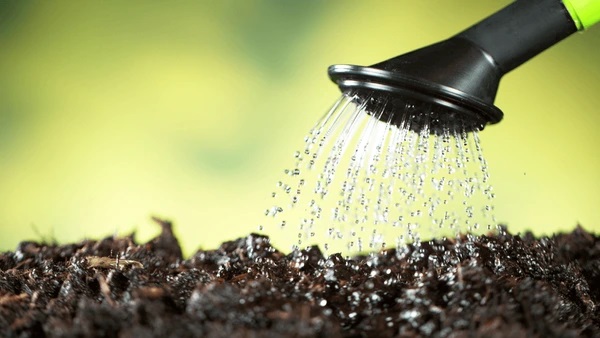
Compost-rich soil acts like a sponge, holding up to 20 times its weight in water. That means less irrigation, healthier plants, and more resilience in the face of drought.
8. It Cuts Methane Emissions
When food waste is buried in landfills, it decomposes without oxygen and releases methane, a greenhouse gas 84 times more potent than carbon dioxide. Composting keeps those scraps out of landfills and methane out of the atmosphere.

9. It Even Eats Paper
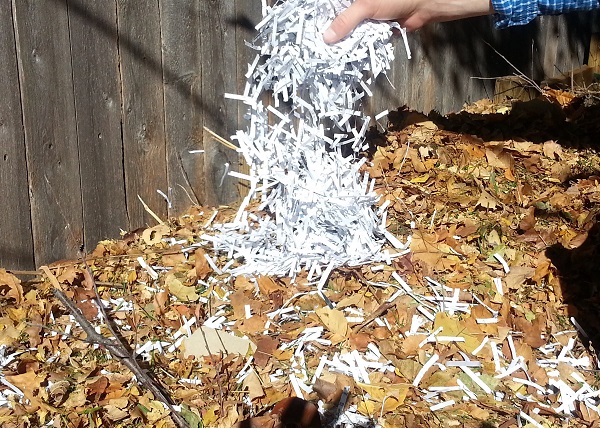
It’s not just food waste that can be composted. Plain paper products like napkins, coffee filters, and cardboard can safely break down in a compost pile, giving them a second life instead of a landfill trip.
10. Plants Love It
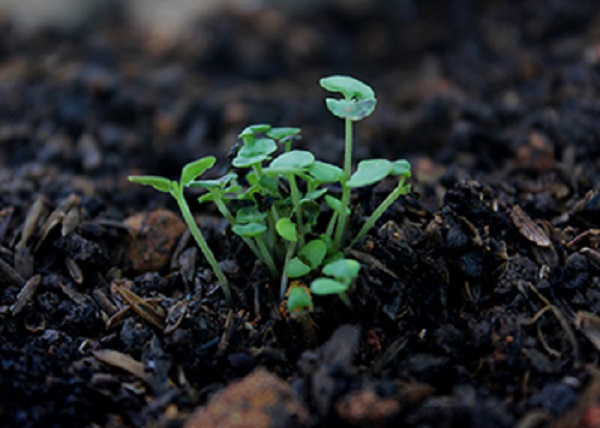
At the end of the day, compost is all about building healthier soil. It boosts structure, feeds plants naturally, and reduces the need for chemical fertilizers. The result? Stronger plants, brighter blooms, and better harvests.
Final Thoughts
Compost isn’t just “dirt.” It’s a living ecosystem, a climate solution, and a simple everyday action that makes a huge difference. By composting food scraps, yard waste, and even some paper products, we can reduce waste, grow healthier plants, and protect our planet for generations to come.
We’ve been leaders in the compost industry for decades and can help your operation with everything it needs to create and process compost, including shredders, grinders, compost turners, and trommels screens. Need help choosing the right machines for your operation? Reach out for recommendations specifically for your feedstock, budget, and throughput goals and we’ll help you pair the ideal equipment.
Ecoverse provides the best environmental processing machinery to the North American market, including a complete lineup of machinery to help you transform waste into revenue. We can help you do something amazing: create something from nothing by converting waste products into sellable goods. Plus, do it more efficiently or faster. Simply put, Ecoverse helps you do more things, and do them better so your operation can achieve unprecedented levels of production and profitability.
Want to learn how we can help your organization do more, better? Contact us!