Matching the Right Shredder to the Right Materials

Choosing the right shredder isn’t just about picking the largest engine or the flashiest spec sheet – it’s about matching machine geometry, shaft type, and operating mindset to the feedstock you actually need to process. Waste streams vary wildly: clean wood behaves very differently from mixed construction & demolition (C&D) debris, and light scrap metal is a category all its own. Successful processors make deliberate equipment choices so they get a consistent output, lower wear costs, and fewer surprise stoppages.
A helpful way to think about shredders is to separate the machine platform from the cutting tools. The platform (frame, drive, gearbox, controls) provides the muscle and durability; the cutting tools, most importantly the shaft geometry and the wear parts attached to them, determine how a machine interacts with particular materials. That’s why many modern two-shaft shredders are built around quick-change shaft systems: one rugged chassis can become a dedicated wood processor in the morning and a demolition-waste workhorse in the afternoon simply by swapping shaft sets.
What Different Shaft Types Actually Do
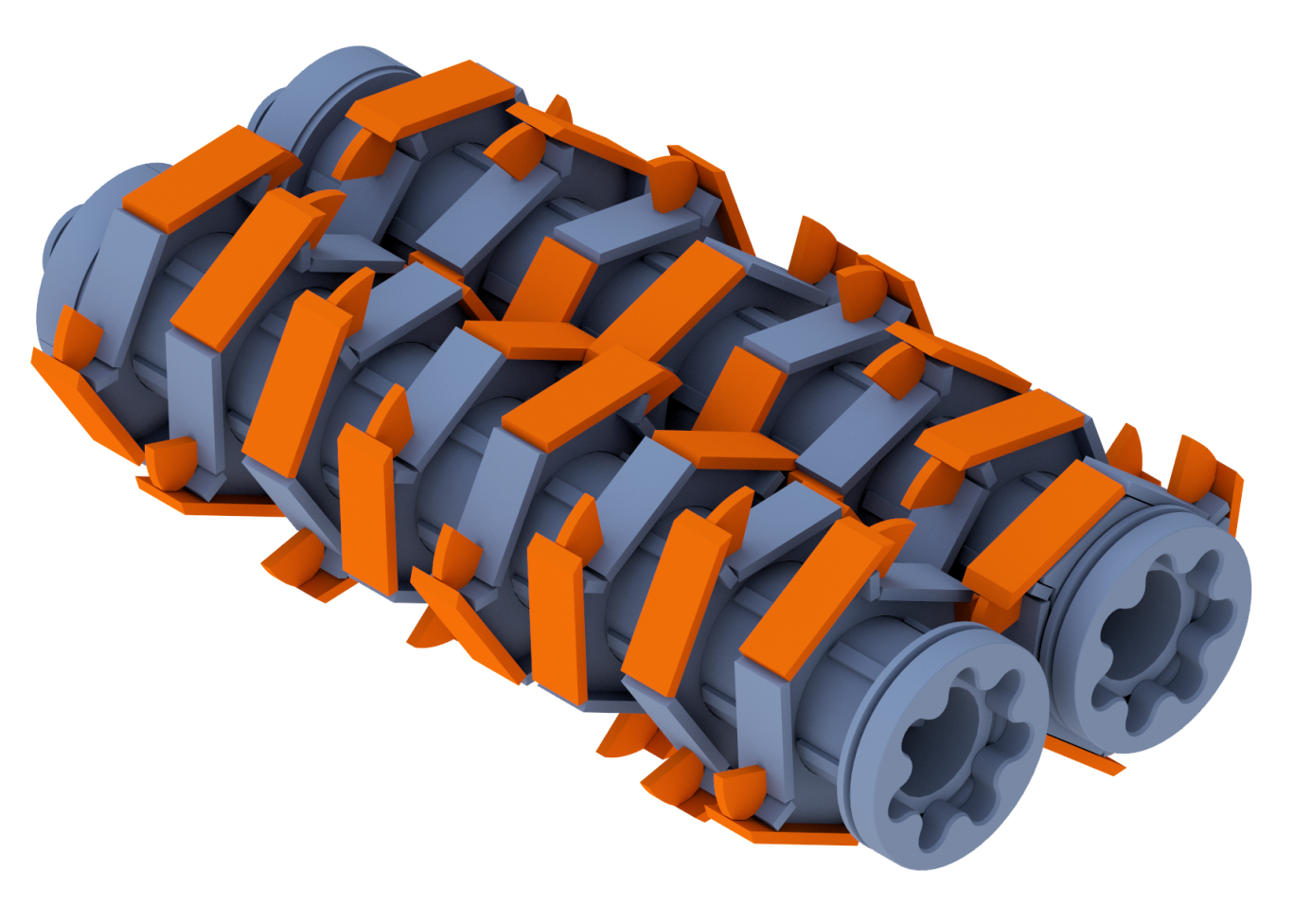
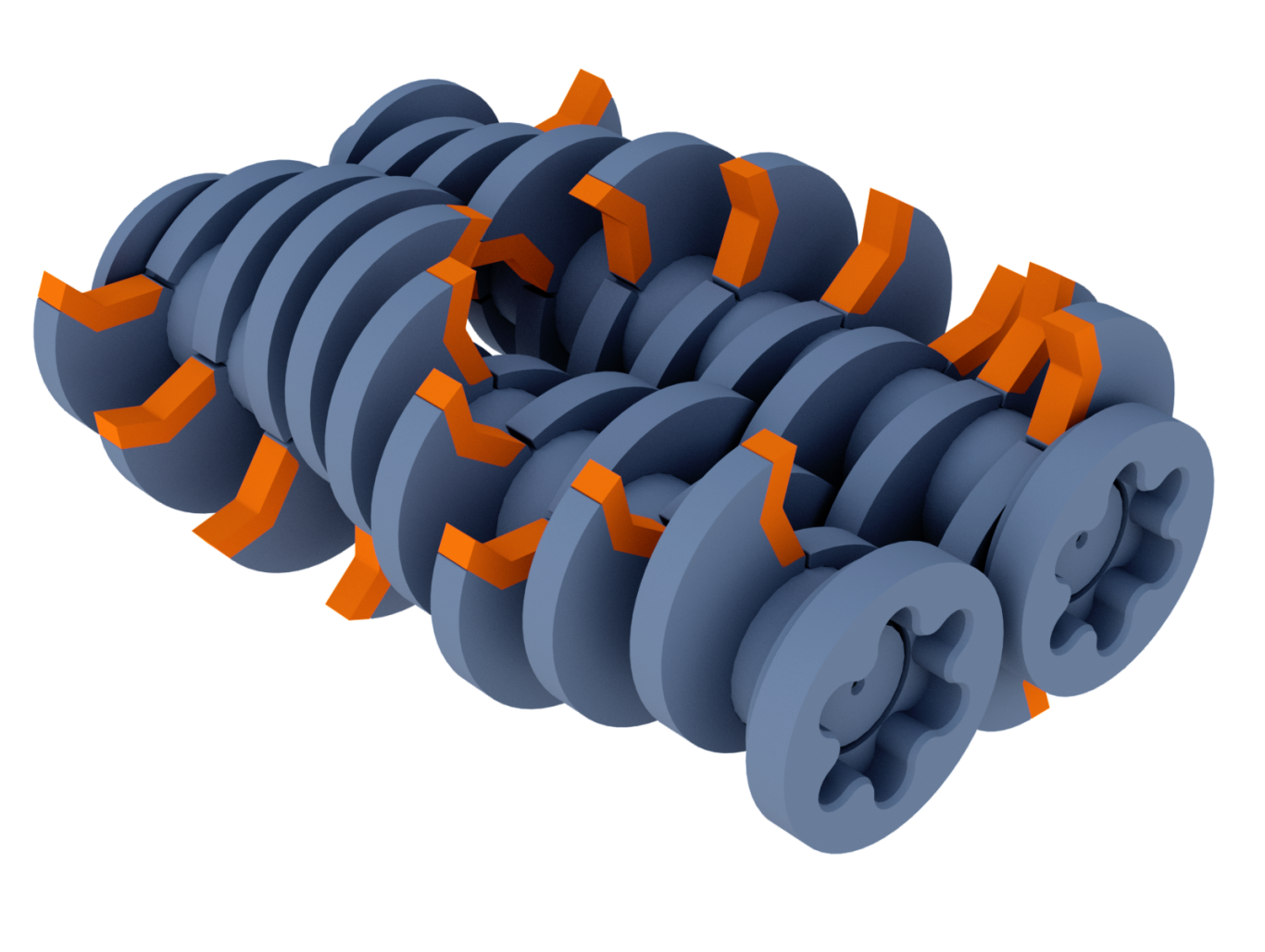
- Paddle shafts are generalists. Their geometry is designed to grab, tear and shred bulky, fibrous, or mixed commercial waste like tires, bulky plastics, wood and general MSW and produce consistent throughput without over-feeding the drivetrain. They’re often the go-to shafts when material variety is high.
- Concrete shafts are engineered to withstand high impact and abrasive contact. They use robust, heavy-duty tools and spacing that help crush masonry, bricks and concrete chunks while protecting the shaft core. If you’re running C&D rubble or asphalt, these are the shafts that extend service life while maintaining machine performance.
- Metal shafts are arranged to shear, score and cut light scrap metal. For automotive shred and aluminum or mixed metal streams, the cutting geometry is optimized to avoid wrapping and to free metal from bulky non-metal casings.

Why a Quick-change Shaft System Matters
If your facility processes more than one material type (common for recycling yards, C&D processors, or municipal transfer stations), downtime and parts inventory can quickly become the real cost drivers. Quick-change shaft systems let operators swap shaft cassettes in a short window so the same machine can be reconfigured for paddle, concrete or metal work with minimal fuss. That flexibility reduces the need to own multiple single-purpose machines and keeps productivity high.
Is There Such a Thing as “One Machine for Everything”?
If by “one machine” you mean a single chassis and powertrain that can be reconfigured to handle most common waste streams, then yes, that’s the intent behind modular shaft designs. But success depends on two things: choosing the correct shaft for the material at hand and operating the machine to match that material (feed rate, infeed prep, magnet separation for metals, and proper comb/clearance settings). A universal mindset (using the generalist paddle shaft for everything) can cost money with prematurely worn wear parts or lower throughput. Conversely, fitting a concrete shaft and trying to shred wet green waste will produce poor results and excessive maintenance.
A Practical Recommendation
Start by mapping your inputs: what percentage of your tonnage is C&D rubble, how much is wood, and how often do you see mixed commercial waste or scrap metal? Use that data to specify a primary shaft and keep one or two alternate shaft sets on site for switching when a different stream shows up. If downtime is a major concern, prioritize machines with proven, fast shaft-swap systems and reputable local service because it’s the combination of design and support that keeps throughput consistent.
Where CoreShred Shredders Fit in the Picture
The CoreShred twin-shaft shredder line emphasizes modular shaft options and robust construction. CoreShred models are offered with paddle, concrete and metal shaft packages which allows machines to be matched to material types quickly. That makes CoreShred a flexible platform for operations that encounter green waste, commercial waste, tires, wood, C&D and even light scrap; provided the operator chooses the shaft best suited to the application.
Closing Thoughts
Shredding is more than brute force; it’s applied geometry and material science. A platform that makes it easy to match paddle, concrete or metal shafts to the job lets operators treat the machine the way any craftsman treats a toolbox: pick the right tool, use it well, and maintenance becomes predictable. For many processors that need to handle diverse loads, a CoreShred machine equipped with paddle, concrete and metal shafts and a sensible operating plan can act as “the right shredder” for nearly all materials without forcing compromises in throughput or long-term costs.
Ecoverse provides the best environmental processing machinery to the North American market, including a complete lineup of shredders to help you transform waste into revenue. We can help you do something amazing: create something from nothing by converting waste products into sellable goods. Plus, do it more efficiently or faster. Simply put, Ecoverse helps you do more things, and do them better so your operation can achieve unprecedented levels of production and profitability.
Want to learn how we can help your organization do more, better? Contact us!