How Depacking Machines Improve the Food Composting Process

Food waste is a significant challenge worldwide. It contributes to landfill overflow, greenhouse gas emissions, and inefficient resource management. While composting is an effective solution to divert organic waste from landfills, contamination from packaging materials presents a significant challenge. Depacking machines have emerged as a crucial technology in streamlining food waste recycling, ensuring a cleaner, more efficient composting process. In this blog post, we explore how depacking machines enhance the food composting process and contribute to a more sustainable waste management system.
What Are Depacking Machines?
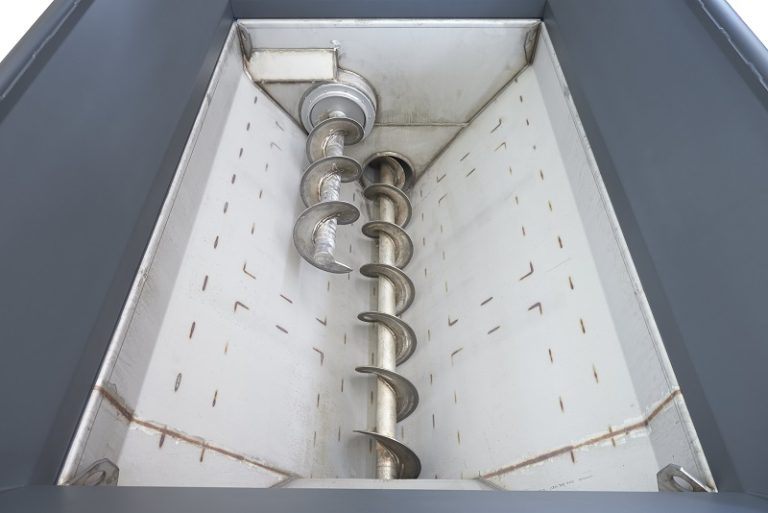
Depacking machines are specialized equipment designed to separate organic food waste from its packaging. These machines use mechanical separation, shredding, and screening technologies to extract food contents while minimizing contamination from plastic, metal, and other non-compostable materials. The separated food waste can then be processed into compost, biogas, or animal feed, while the packaging materials can be recycled or disposed of appropriately.
The Need for Depacking Machines in Food Composting
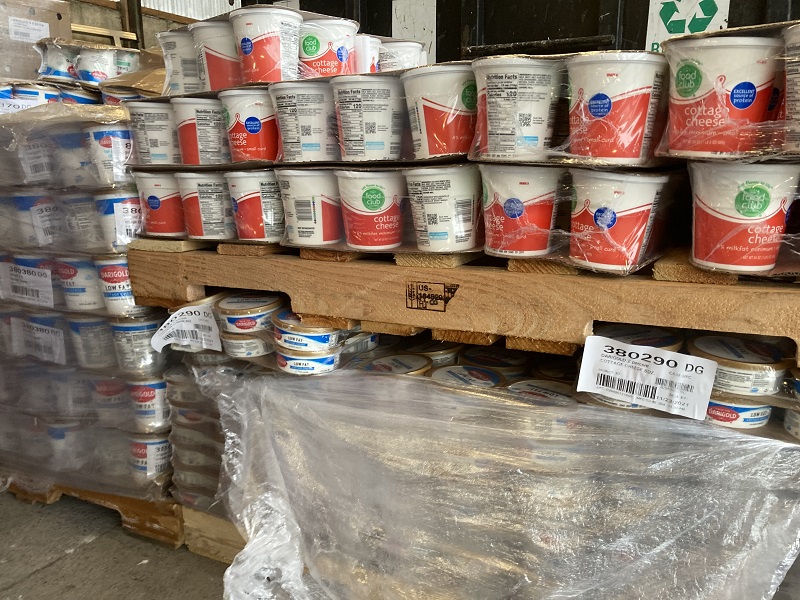
The food industry generates massive amounts of packaged food waste due to expired products, damaged goods, and unsold inventory. Traditionally, separating food waste from packaging was a manual process, which was labor-intensive, costly, and inefficient. Depacking machines offer a solution by automating this separation, creating several key benefits:
1. Enhancing Efficiency and Processing Speed
Manual depacking is slow and prone to errors, whereas depacking machines can process large volumes of waste rapidly. Modern depacking systems can handle several tons of waste per hour, significantly increasing throughput and allowing composting facilities to scale up operations efficiently.
2. Reducing Contamination in Compost
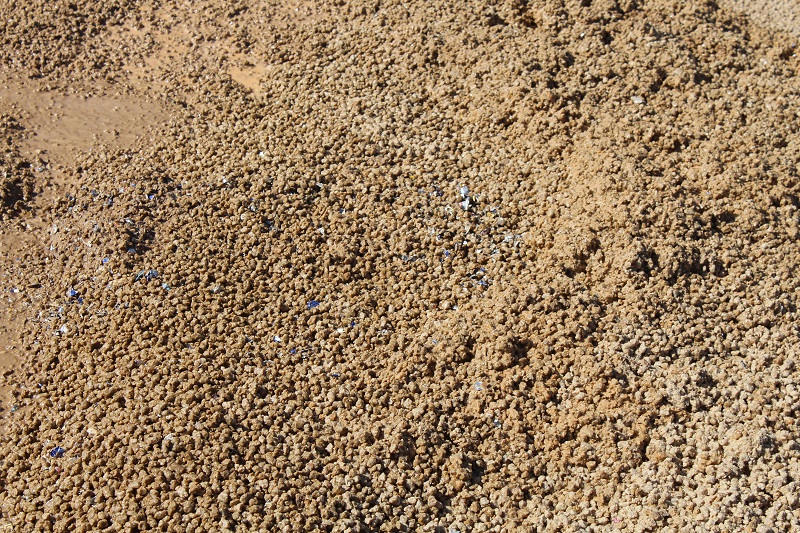
One of the biggest challenges in food composting is contamination from plastic, metal, and other non-biodegradable materials. Depacking machines effectively separate food from its packaging, reducing the risk of microplastic contamination and ensuring higher-quality compost that meets industry standards.

3. Minimizing Waste and Maximizing Resource Recovery
By efficiently extracting food waste, depacking machines ensure that more organic material is diverted from landfills and repurposed for composting or anaerobic digestion. Additionally, many machines allow for the recovery of recyclable packaging materials, further reducing overall waste.
4. Reducing Labor Costs and Workplace Injuries
Automating the depacking process reduces the need for manual labor, cutting costs and minimizing the risk of workplace injuries. Employees no longer have to manually cut open packages, sort through waste, or risk exposure to expired or spoiled food.
5. Supporting Compliance with Food Waste Regulations
Many governments are implementing stricter regulations on food waste disposal and landfill use. Depacking machines help businesses comply with these regulations by facilitating proper waste diversion and enabling more efficient composting and recycling.
How Depacking Machines Work
Depacking machines utilize several mechanisms to separate food waste from its packaging, including:
- Crushing and Pressing: Breaks open packages and squeezes out food waste.
- Shredding and Sieving: Reduces packaging size and filters organic material.
- Density Separation: Uses air, water, or vibration to separate heavy food particles from lighter packaging materials.
- Magnetic and Optical Sorting: Removes metallic contaminants and identifies recyclable materials.
The efficiency of a depacking machine depends on factors such as the type of waste, moisture content, and desired output (e.g., composting vs. anaerobic digestion).
Applications of Depacking Machines in the Recycling Industry
Depacking machines are used across various sectors of the recycling industry, including:
- Supermarkets and Retail Chains: Managing expired and unsold food products.
- Food Processing Facilities: Handling production waste and quality control rejections.
- Municipal Composting Programs: Improving organic waste recovery for large-scale composting.
- Anaerobic Digestion Plants: Converting food waste into biogas for energy production.
Current Market Trends and Data
Recent industry reports indicate that the global food waste recycling market is expanding rapidly. According to market research firms, the food waste management market is expected to reach $90 billion by 2030, driven by regulatory pressure and advancements in waste processing technologies. Additionally, depacking machines are increasingly being integrated with smart monitoring systems to track efficiency, contamination levels, and output quality in real time.
The Future of Depacking Technology in Food Waste Recycling
The demand for sustainable waste solutions is driving innovation in depacking technology. Future advancements may include:
- AI-Powered Sorting Systems: Enhanced automation for more precise separation of organic and non-organic materials.
- Biodegradable Packaging Compatibility: Machines designed to recognize and process compostable packaging more effectively.
- Energy-Efficient Models: Reduced energy consumption and lower operational costs for waste management facilities.
Conclusion
Depacking machines are revolutionizing the food composting process by increasing efficiency, reducing contamination, and promoting resource recovery. As the demand for sustainable waste management solutions grows, depacking technology will continue to play a crucial role in optimizing food waste recycling. Investing in these machines not only benefits composting operations but also contributes to broader environmental and economic sustainability goals.
For businesses and municipalities looking to enhance their food waste management strategies, incorporating depacking machines is a forward-thinking solution that aligns with both regulatory requirements and sustainability initiatives.
If you are a compost producer, you can scale up your food composting operations with a world class depacking machine like the Tiger Depackaging System. It separates organic waste from inorganic packaging, converting food waste into cashflow – all in a single pass! Plus, the Tiger can feed, separate, process, and extract organics into a wet or dry output with a flip of a switch.
Interested in food composting? Contact Team Tiger and learn how we can help you process bulk commercial waste, pre- or post-consumer food waste, or institutional food disposal with a perfect output for composting, animal feed, or as feedstock in anaerobic digestion biogas production.
Ecoverse provides the best environmental processing machinery to the North American market, including a complete lineup of machinery to help you transform waste into revenue. We can help you do something amazing: create something from nothing by converting waste products into sellable goods. Plus, do it more efficiently or faster. Simply put, Ecoverse helps you do more things, and do them better so your operation can achieve unprecedented levels of production and profitability.
Want to learn how we can help your organization do more, better? Contact us!