We Explain the Difference Between Trommel Screens and Scalping Screens

When it comes to screening equipment, trommel screens and scalping screens serve critical but distinct roles. Choosing the right screener can improve efficiency, reduce maintenance costs, and enhance material processing. In this blog post, we explain the key differences between trommel screens and scalping screens, so you can determine which one best fits your needs.
What is a Trommel Screen?
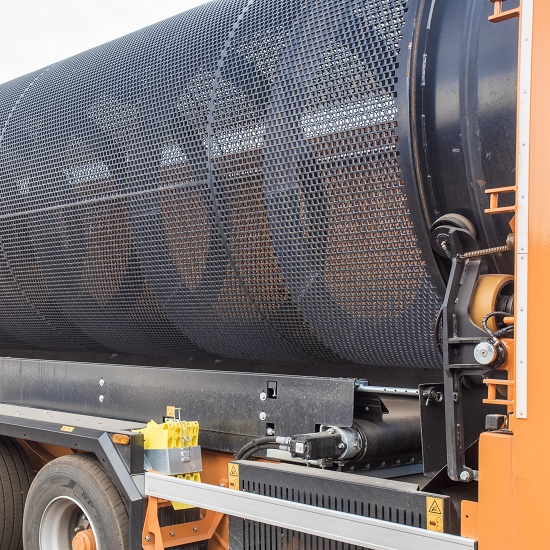
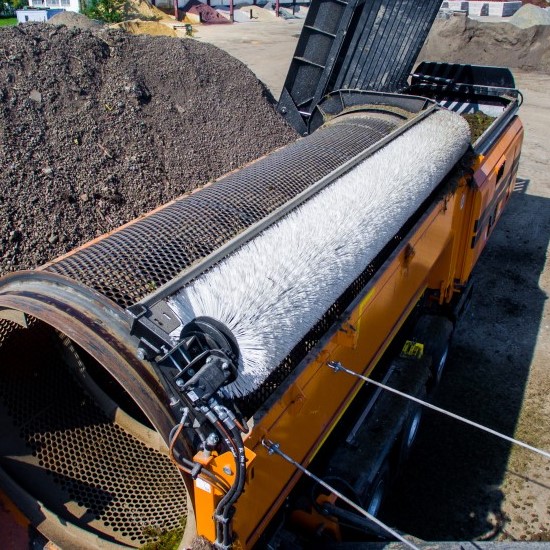
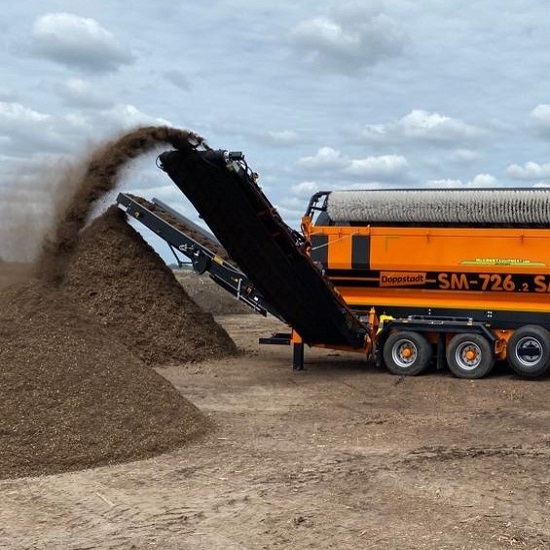
A trommel screen is a rotating drum screen designed to separate materials based on size. The trommel’s perforated drum turns on an axis, allowing smaller particles to pass through while larger materials continue through the drum or exit at the end. These screens are widely used in organics recycling operations, aggregate processing, and composting. Trommel screens generally create two fractions, or products, from material fed into it.
How Trommel Screens Work
- Material enters the drum – Raw material is fed into the trommel’s drum, either by a conveyor or loader.
- Rotating action – The drum rotates, causing material to tumble and be exposed to the perforations.
- Separation – Fine materials fall through the screen, while larger materials continue along the drum’s length.
- Discharge – Sorted materials are discharged into separate collection areas.
Advantages of Trommel Screens
- Efficient for fine screening – Ideal for handling organic waste, topsoil, and finer aggregates.
- Less vibration – The rotary motion reduces machine wear and tear compared to vibrating screens.
- Handles wet materials better – The tumbling action and cleaning brush help prevent material from clogging.
- Customizable screen sizes – Screens with different hole sizes can be swapped to achieve the desired separation.
Best Applications for Trommel Screens
- Recycling and composting – Separate organic materials from contaminants.
- Soil screening – Used to remove debris from topsoil.
- Aggregate sorting – Effective for sorting small rocks and gravel.
- Wood waste and mulch – Create high-quality mulch with minimal fines.
- Municipal solid waste processing – Separate recyclable materials from waste streams.
- Construction and demo recycling – Reduces landfill waste and recovers resources.
What is a Scalping Screen?
A scalping screen, also called a scalper, is a heavy-duty screen designed to handle coarse materials. Unlike trommel screens, scalping screens do not rotate; instead, they use powerful vibrations to separate oversized debris from usable material. Scalping screens generally create three fractions from feedstock.
How Scalping Screens Work
- Raw material is loaded – Material is fed onto a large vibrating screen deck.
- Vibration separates material – The aggressive shaking action causes smaller material to pass through the screen mesh while larger materials are retained.
- Oversized material is removed – Large debris is sent to waste or secondary processing for further reduction.
- Refined material is processed – The remaining usable material is collected for further screening or use.
Advantages of Scalping Screens
- High-capacity screening – Handles large volumes of material efficiently.
- Ideal for tough materials – Built to process rocks, demolition debris, and construction materials.
- Reduces wear on secondary crushers – By removing oversized material, scalping screens protect downstream equipment.
- Fast processing speed – Vibrating action ensures rapid material separation.
Best Applications for Scalping Screens
- Quarrying and mining – Separates large rocks from fine material.
- Construction and demolition recycling – Screens out unwanted debris.
- Primary material sorting – Helps refine raw aggregates before additional processing.


Key Differences Between Trommel Screens and Scalping Screens
| Trommel Screen | Scalping Screen | |
| Motion Type | Rotating drum | Vibrating deck |
| Best For | Fine material separation | Removing oversized debris |
| Handles Wet Material | Yes | Limited |
| Processing Speed | Slower, continuous tumbling | Faster, aggressive vibration |
| Durability | Less wear and tear due to rotation | Heavy-duty design for large impacts |
| Common Uses | Composting, topsoil screening, light aggregate sorting | Mining, demolition, primary screening, larger aggregate |
Which Screen is Right for You?
The choice between a trommel screen and a scalping screen depends on your material type and processing goals:
- Choose a trommel screen if you need fine separation, are dealing with wet materials, or require a customizable screening process.
- Choose a scalping screen if you handle large, heavy materials and need a high-capacity solution for removing oversized debris.
Both screens play essential roles in the recycling and aggregate industries, ensuring that materials are processed efficiently and effectively. Understanding their differences helps you optimize your screening process, reduce maintenance costs, and improve overall productivity.
The choice between a trommel screen and scalping screen largely depends on the type of material you need to process, the final product size required, and your budget for maintenance and operational costs. Both screeners have their place in material processing and sometimes your operation needs both types of screeners. If that’s the case, we have a wide selection of Doppstadt trommel screens and the dual-power hybrid diesel-electric ROCO Sprinter scalping screen. Don’t know which you need? We can help!
Ecoverse provides the best environmental and aggregate processing machinery to the North American market, including a complete lineup of machinery to help you transform waste into revenue. We’ve been selling the best engineered and made trommel screens for two decades, and we can help you do something amazing: create something from nothing by converting waste products into sellable goods. Plus, do it more efficiently or faster. Simply put, Ecoverse helps you do more things, and do them better so your operation can achieve unprecedented levels of production and profitability.
Want to learn how we can help your organization do more, better? Contact us!